
Hair Fall
What’s Really Behind Your Hair Fall — And What You Can Do About It
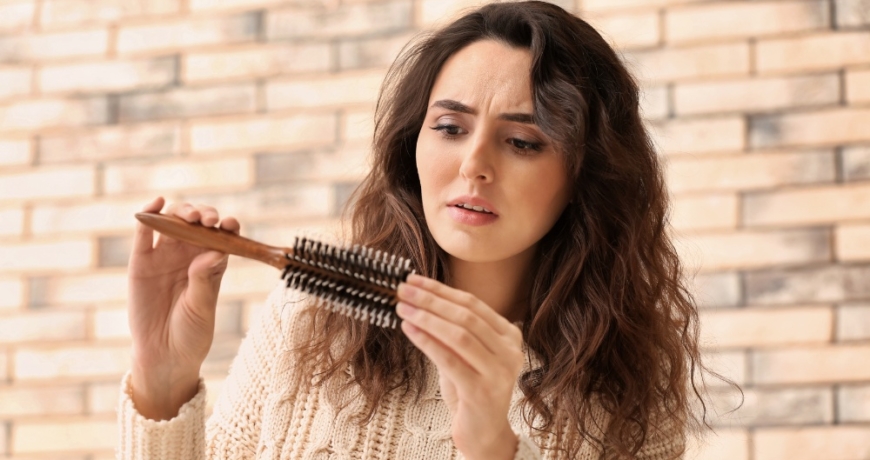
Losing a few strands of hair every day is completely normal. But when you start noticing more hair on your pillow, in the shower drain, or in your brush than usual, it’s hard not to worry. Hair fall affects people of all ages and genders, and it can quietly chip away at your confidence over time.
The good news is that hair fall is rarely a mystery. There are real, identifiable reasons why it happens — and once you understand the cause, treatment becomes a lot more straightforward. That’s exactly the approach we take at our clinic. Rather than masking the symptoms, we look at what’s actually driving the problem.
Why Is Your Hair Falling Out?
Hair fall doesn’t usually happen for just one reason. It’s often a combination of factors — some you can control, and some you can’t. Here’s a look at the most common ones:
- Genetics: If hair loss runs in your family, your chances of experiencing it are higher. This doesn’t mean it’s inevitable, but it is worth addressing early.
- Hormonal imbalances: Conditions like PCOS or thyroid disorders can disrupt your hair growth cycle and trigger excessive shedding.
- Stress: High or prolonged stress pushes more hair follicles into the resting phase, which leads to noticeable shedding a few months later.
- Nutritional deficiencies: Low levels of iron, biotin, zinc, or protein can weaken hair and make it more prone to falling out.
- Harsh hair care habits: Frequent heat styling, tight hairstyles, and chemical treatments can damage hair over time and speed up hair fall.
- Underlying medical conditions: Autoimmune conditions, scalp infections, and other health issues can also contribute to hair loss.
Understanding which of these applies to you is the first step toward finding a treatment that actually works.
How Homeopathy Approaches Hair Fall Differently
Most conventional hair fall treatments focus on what’s visible — the thinning, the bald patches, the receding hairline. Homeopathy works differently. It looks at the whole picture: your health history, your lifestyle, your stress levels, and your body’s unique makeup.
The goal isn’t just to slow hair fall. It’s to find and treat the root cause so that your hair can grow back stronger and healthier over time.
According to the American Journal of Clinical Dermatology, nutritional deficiencies are among the most underdiagnosed contributors to hair loss — something that a personalised homeopathic assessment is well-suited to identify.
Simple Steps to Help Prevent Further Hair Loss
Alongside treatment, there are everyday habits that can make a real difference. Here’s what we typically recommend:
Eat for Your Hair
A diet that’s short on vitamins and minerals will show up in your hair. Focus on foods rich in iron, protein, biotin, and zinc. Homeopathic remedies like Silicea and Calcarea phosphorica can also help address nutritional deficiencies that affect hair strength.
Manage Your Stress
This one’s easier said than done, but it matters. Remedies like Ignatia and Natrum muriaticum are commonly used in homeopathy to support the nervous system and reduce stress-related hair shedding.
Be Gentler With Your Hair
Cut back on heat tools, avoid tight ponytails, and switch to milder hair care products. Homeopathic remedies like Thuja and Phosphorus can help support recovery from hair damage caused by harsh treatments.
Try a Scalp Massage
A regular scalp massage — especially with homeopathic oils like Arnica — can improve blood circulation to the hair follicles and support healthy growth. It’s a small habit that’s easy to build into your routine.
Stick to a Personalised Plan
There’s no one-size-fits-all solution for hair fall. What works for someone else may not work for you. That’s why homeopathic treatment is tailored to your individual constitution and the specific causes of your hair fall.
When Should You See a Homeopath?
It’s worth speaking to a homeopath if any of the following sound familiar:
| Sign | What It Could Mean |
|---|---|
| More hair in your brush or on your pillow than usual | Possible underlying imbalance triggering excessive shedding |
| Noticeable thinning or wider part lines | Reduced hair density that needs early attention |
| Receding hairline or bald patches | Progressive hair loss that benefits from prompt treatment |
| Diagnosed hormonal disorder (e.g., PCOS, thyroid) | Hormonal imbalance likely contributing to hair fall |
| Hair fall that hasn’t responded to other treatments | Root cause may not have been addressed yet |
If you’ve tried shampoos, supplements, or other treatments without much success, that’s often a sign the underlying cause hasn’t been identified. That’s where a proper homeopathic consultation can help.
What to Expect From a Homeopathic Hair Fall Consultation
When you come to us, we don’t just look at your hair. We take a full history — your health, your lifestyle, your diet, your stress levels, and any other symptoms you might be dealing with. From there, we build a treatment plan that’s specific to you.
This kind of personalised care takes a bit more time upfront, but it tends to produce more lasting results than a generic off-the-shelf solution.
It’s Not Just About Hair
Hair fall can feel like a cosmetic problem, but it’s often your body’s way of telling you something else is going on. Hormonal shifts, nutritional gaps, stress overload — these all show up in your hair before they might show up elsewhere. Treating hair fall holistically means listening to those signals and responding to them properly.
And beyond the physical side, we know how much hair loss can affect how you feel about yourself. That’s not something to brush off. It’s a real part of why people come to us, and it’s something we take seriously.
Ready to Take the Next Step?
If hair fall has been on your mind, you don’t have to just wait and see. The sooner you understand what’s causing it, the sooner you can do something about it.
We’d love to help. Get in touch with our team to book a consultation with one of our experienced homeopaths. We’ll take the time to understand your situation and put together a plan that works for you — not just for your hair, but for your overall health too.
There are no comments